🎵You laugh at me because I’m different 🎶 went a song by an American musician Kurt Cobain.
ᴖ̈ Yet it’s no laughing matter. It’s tragic. In a recent incident two innocent young men from Tripura (a northeastern state in India) were brutally stabbed in a marketplace. One succumbed to injuries and the younger brother’s condition continues to be critical. This happened in December 2025, in the capital of Uttarakhand (northern part of India).
Their fault? Their facial features. They looked different and a group of men started passing racist slurs and called them names. The boy protested and asserted his Indian identity, and this cost him his life. A young life lost, irretrievably!🥀
And this is not a one off. This happened earlier and may happen again.
✦ Munish Tamang, teacher at the university of Delhi, wrote (IE Jan 3, 26) that he himself as somebody from northeast often faced this derision and humiliation and describes an incident when the students in the examination hall passed racist comments when he was invigilating. Imagine the gall!
And when people can do this to someone who is the authority what they would not do to young people who are vulnerable. If he thought he could get away by doing this to a teacher, what must be his daily interactions with his peers. Tamang observes that racial discrimination lurks everywhere, in the educational institutions, local neighbourhoods, markets and public transport.
❓Reason? Some say the perpetrators are not booked. True, this often is the case. But this is not the genesis of such crimes, nor is this a permanent solution. Punishment can only be a superficial and short term deterrent. We need to look deeper. Why people act so violently even without any provocation? Who gave them licence to kill? What needs to change is the racist mindset.
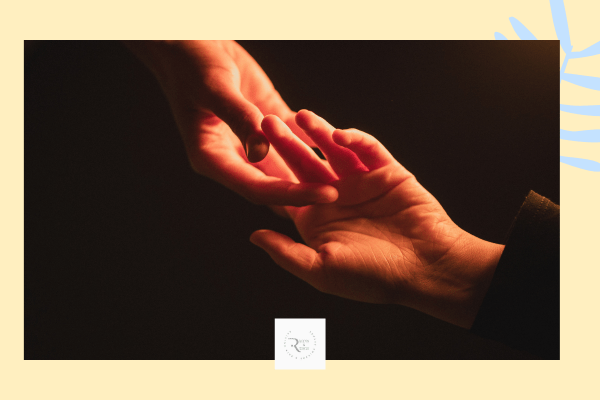
🫶The society needs to be sensitized to embrace diversity. We need to foster empathy, the ability to be aware of the feelings of others and imagine what it would be like to be in their position (or in their shoes). Empathy lays the groundwork for positive relationships, a peaceful and harmonious world.
⁉️Who will do this? On whom lies the great onus?
I leave you here with these questions. One mindful moment at a time –✨
“I’d love to hear your thoughts or answers—just leave them in the comments!”🗫
⋙Next blog is about strategies that can foster and promote empathy among children so that they live in a safer world🌍

 Roots n Wings